The Unfolding Tapestry: How Epigenetics is Reweaving the Evolutionary Synthesis
The grand edifice of 20th-century biology, the Modern Evolutionary Synthesis, also known as neo-Darwinism, has for decades provided a robust framework for understanding the diversification of life. This synthesis fused Darwin's theory of natural selection with Mendelian genetics, positing that evolution primarily proceeds through the gradual accumulation of random genetic mutations, sorted by the relentless sieve of natural selection. However, the 21st century has witnessed the rise of a more nuanced and complex understanding of heredity and evolution, often referred to as the Extended Evolutionary Synthesis (EES). Central to this evolving perspective is the burgeoning field of epigenetics, which is fundamentally challenging the gene-centric dogma of neo-Darwinism and compelling a richer, more integrated view of evolutionary processes.
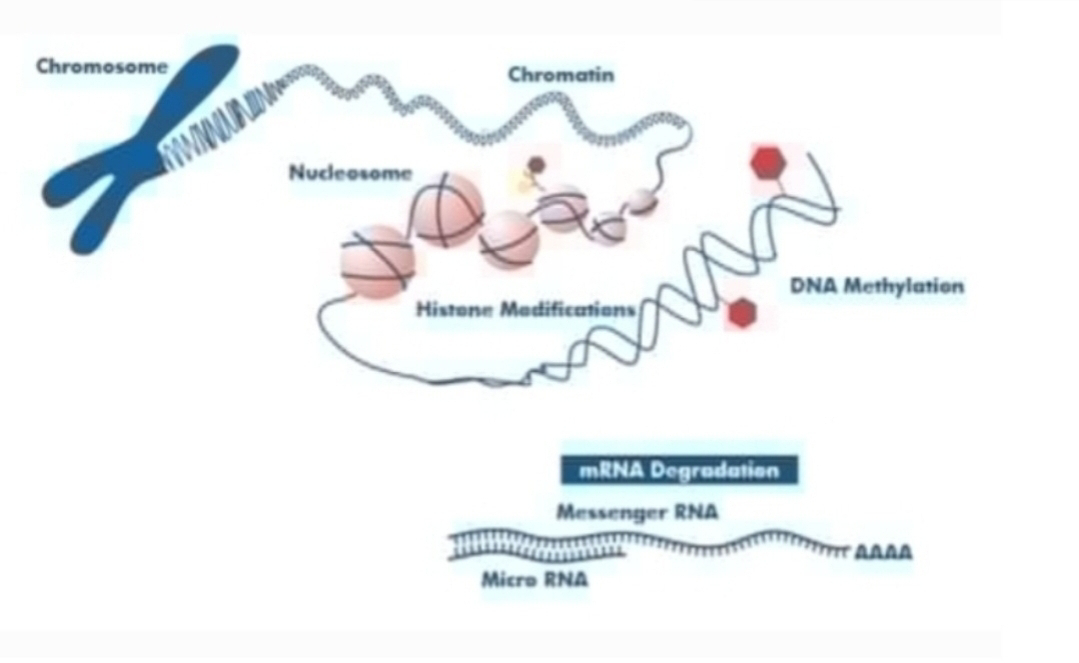
The EES aptly captures the ongoing and dynamic nature of this scientific discourse. It is a serous challenge to neo-Darwinian principles and gives a significant expansion and revision of its core tenets. At the heart of this challenge lies the recognition that inheritance is not solely a matter of passing down DNA sequences. Epigenetics, which literally means "above" or "on top of" genetics, involves heritable changes in gene function that do not entail alterations to the underlying DNA sequence itself. These modifications, such as DNA methylation and histone modifications, act as a layer of molecular annotation, influencing which genes are expressed, when, and to what degree.

The implications of heritable epigenetic variation for evolutionary theory are profound. It suggests that organisms can exhibit a degree of developmental plasticity that allows them to respond to environmental challenges in a more directed manner. For instance, if a population of plants is exposed to a prolonged drought, epigenetic modifications might lead to changes in gene expression that enhance water retention.

Epigenetic inheritance guides the role of genetic inheritance. The EES proposes a more pluralistic view of heredity, where genetic, epigenetic, cultural, and ecological inheritance systems interact to shape evolutionary trajectories. This multi-faceted view challenges the reductionist, gene-centric focus of traditional neo-Darwinism. The organism is no longer seen as a passive vehicle for its genes but as an active participant in its own evolution, capable of responding and adapting to its environment in ways that can be passed on to its offspring.
The challenge to neo-Darwinism, therefore, is a call for a more inclusive and comprehensive framework. The EES, with epigenetics as a key exemplar, argues that neo-Darwinism is an incomplete picture. It highlights the importance of developmental processes, phenotypic plasticity, and non-genetic forms of inheritance in generating evolutionary novelty and driving adaptation.
In conclusion, the evolving evolutionary synthesis is a testament to the vibrancy and dynamism of scientific inquiry. The integration of epigenetics into evolutionary theory is forcing a re-evaluation of long-held assumptions and is painting a more intricate and interconnected picture of how life evolves. By demonstrating a plausible mechanism for the inheritance of acquired characteristics, epigenetics challenges the strictures of neo-Darwinian orthodoxy and opens up exciting new avenues for understanding the intricate dance between genes, environment, and development in the grand pageant of evolution. The synthesis is indeed evolving, and in doing so, it is revealing a richer and more complete understanding of the history and future of life on Earth.
Ref


Comments
Post a Comment