The Ghost in the Fossils: How Epigenetics is Reshaping Paleoanthropology

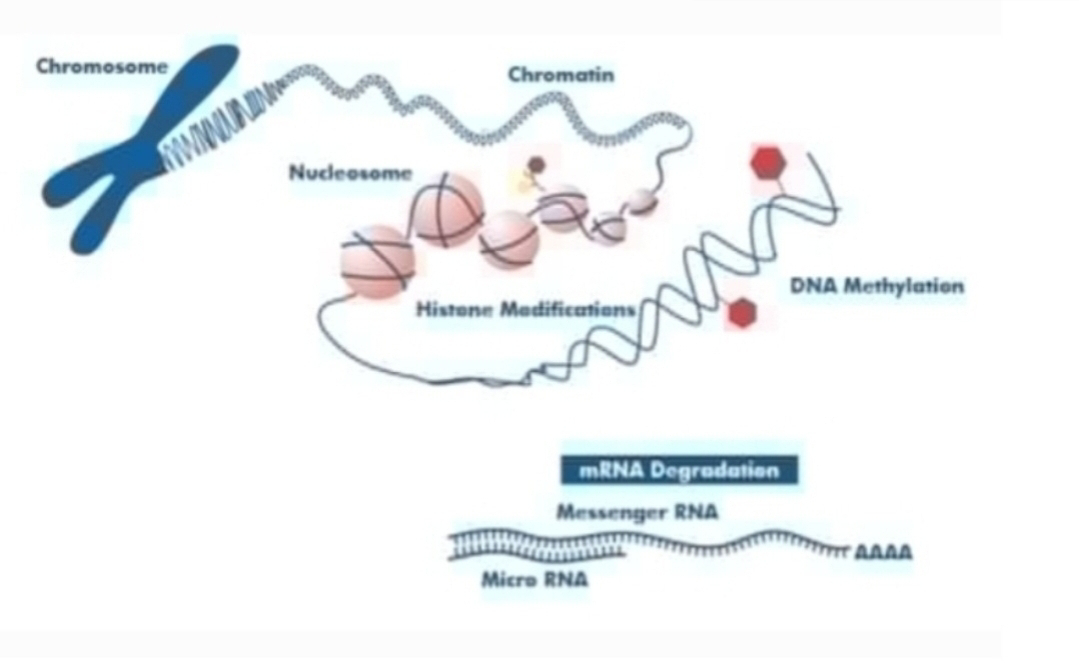
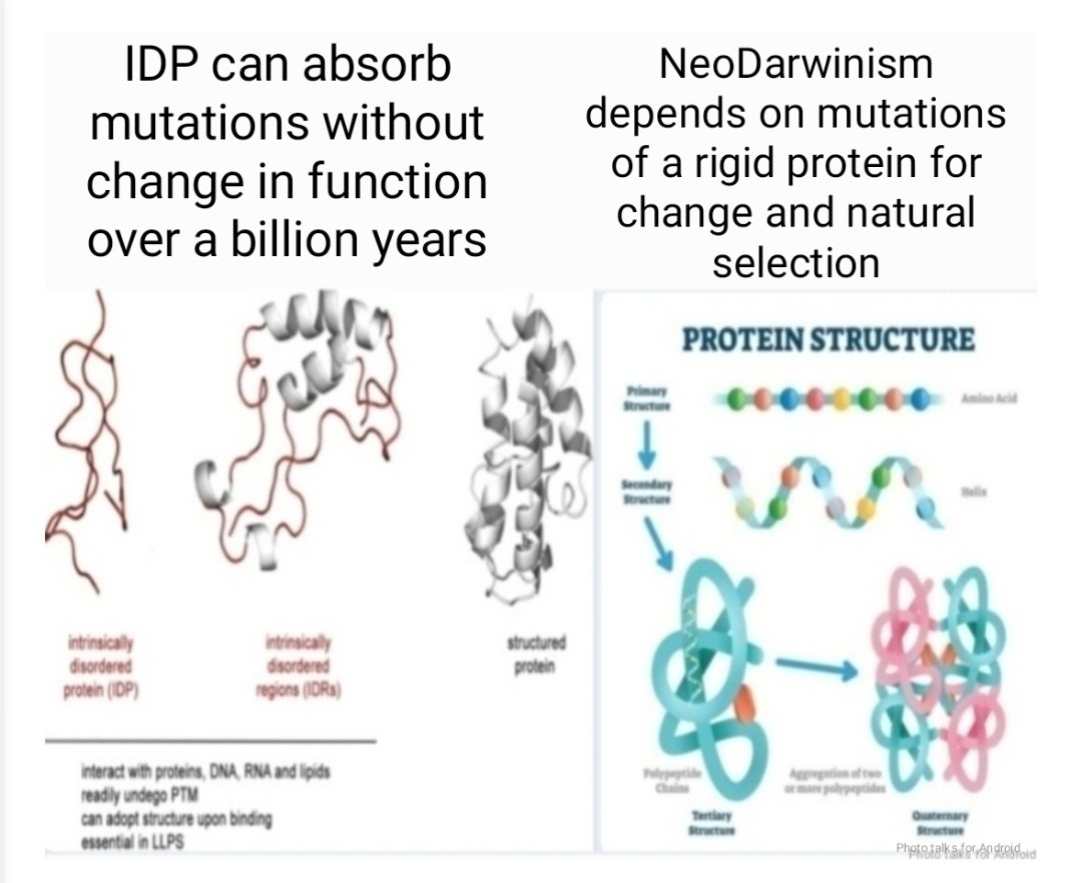
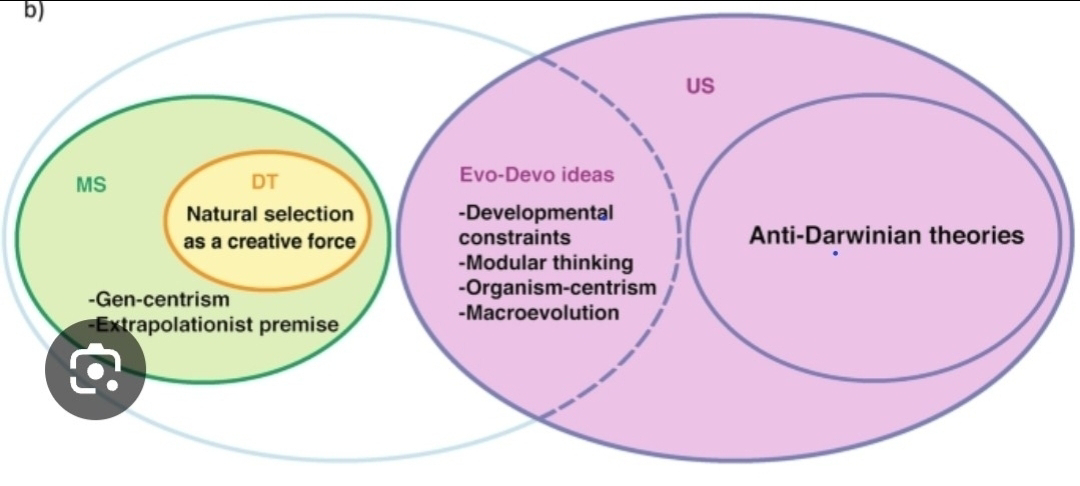
The study of human origins has long been dominated by the Modern Evolutionary Synthesis, a mid-20th-century fusion of Darwinian natural selection and Mendelian genetics, often referred to as neo-Darwinism. This framework has provided a lens through which to view the fossil record, emphasizing the gradual accumulation of genetic mutations as the primary driver of evolutionary change. However, a recent special issue of the journal PaleoAnthropology, titled "Reconceiving Paleoanthropology in the Era of the Modern Evolutionary Synthesis: Niche Construction, Plasticity, and Inclusive Inheritance: Rethinking Human Origins with the Extended Evolutionary Synthesis," signals a significant shift in the field. This collection of papers argues for an "Extended Evolutionary Synthesis" (EES) that incorporates a more dynamic and multi-faceted understanding of evolution. Central to this reconceptualization is the burgeoning field of epigenetics, which, by revealing a ...